| |
|
AUCKLAND WATERPROOFING
|
WATERPROOFING SERVICES
AUCKLAND
|
|
Trusted - Reliable -
Professional |
|
|
|
Welcome to Auckland Waterproofing Services. We are focused on providing not only a high quality of service and customer satisfaction, but follow through with quality waterproofing products that are guaranteed to last.
We pride ourselves on our attention to detail and our ability to listen carefully and understand our clients’ needs and requirements. We deliver a service that is supported by waterproofing systems and procedures that have been refined and improved over time and through many years of experience. Every member of the team is certified, trained and qualified to that of a high standard. We thrive on providing the best quality Waterproofing service to all of
Auckland.
|
|
|
|
|
Make sure your residential and commercial property is waterproofed using the best materials in the industry by contacting Waterproofing
Auckland.
|
|
TRUSTED WATERPROOFING
COMPANY IN AUCKLAND
|
|
Auckland Waterproofing is a leading waterproofing company offering expert installation and repair of waterproofing in
Auckland homes. Our projects spread across Auckland CBD and surrounding suburbs, all the way out to
North Shore and across to Manukau.
With more than 15 years’ industry experience, our waterproofers (technicians) can tackle any area of the home, including:
-
Floors
Waterproofing
- Rooftop Waterproofing
- Bathroom Waterproofing (ensuites, showers, spa baths, etc.)
- Balconies, terraces and courtyards
- Laundries
and Wet Areas Waterproofing
- Water Tank Waterproofing
- Planter boxes Waterproofing
- Retaining walls Waterproofing
- Basement walls Waterproofing
- Lift shafts Waterproofing
- Swimming pool waterproofing
- Green rooftops Waterproofing
- Rooftop gardens Waterproofing
You name it, we can waterproof it, on time and on budget. All Waterproofing
Auckland jobs are completed by a fully qualified Waterproofer and comply with
the New Zealand Building Code (NZBC), primarily falling under two core clauses: E2 (External Moisture) and E3 (Internal Moisture). These clauses ensure that buildings resist moisture penetration, safeguard against illness, and protect property from structural damage..
Make sure your residential and commercial property is waterproofed using the best materials in the industry by contacting
us.
 Download:
Code of practice - Internal wet area membrane systems.
Download:
Code of practice - Internal wet area membrane systems.
|
|
|
|
|
|
| |
|
| |
|
|
READY TO GET
STARTED?
|
1- Contact: Call or
message us online and we will arrange for our local team to contact you.
2- Quick chat: We’ll have a quick chat
with you over the phone or by replying to your online
request about your waterproofing project and schedule in a time with you to come out to your premises and inspect the job.
3- Sending a free quote: Once we have gathered all of the measurements and discovered your needs, we will then formulate a free quote for you within 48 hours of coming out to see you. |
| |
|
|
 |
|
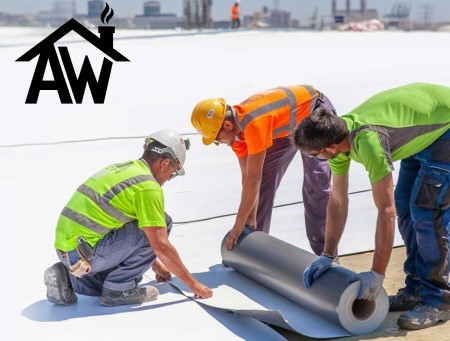
Commercial Waterproofing
- Auckland
Waterproofing has over 15 years industry experience, combined with working on some of
Auckland’s bigger projects you can count on New Zealand Waterproofing Company for the best in quality workmanship and competitive pricing. |
| |
|
Domestic Waterproofing
- Auckland
Waterproofing is the first choice for Auckland’s Home owners when it comes to Residential waterproofing in
Auckland, as we are a family business we understand that every project we work on is someone’s investment. |
|
 |
FREQUENTLY ASKED
QUESTIONS IN WATERPROOFING
|
|
| |
 Auckland Waterproofing Experts:
Auckland homeowners and builders typically ask waterproofing experts about costs, licensing regulations, and leak prevention due to the city's wet climate and history of leaky homes.
Auckland Waterproofing Experts:
Auckland homeowners and builders typically ask waterproofing experts about costs, licensing regulations, and leak prevention due to the city's wet climate and history of leaky homes. |
- Question 1:
What do waterproofing services typically cost? Standard bathroom waterproofing in Auckland ranges from $1,200 to $2,800 depending on complexity. Exterior deck and roof membranes generally cost between $95 and $240 per square.
-
Question 2: Do waterproofers need a license in NZ? There is no mandatory license, but contractors must comply with the NZ Building Code (Clauses E2 and E3). It is highly recommended to use LBP (Licensed Building Practitioners) or BRANZ-certified experts.
-
Question 3: How can I identify and fix a leaking basement?
Homeowners often ask how to stop water seeping
through concrete floors, the best action is to
contact a professional waterproofing company to look
at, inspections are usually free.
-
Question 4: How many quotes should I get? Experts recommend getting at least 3 written quotes, making sure to compare the scope of work rather than just the bottom-line price.
|
|
Auckland Waterproofing and
Structural:
When people in New Zealand evaluate structural waterproofing services, they typically focus on council compliance, product durability in Auckland's wet climate, and the risk of expensive "leaky home" repairs. |
- Question 5:
Do waterproofing membranes work need building consent in Auckland? Yes, most waterproofing work requires building consent and must comply with Auckland Council Building Code clauses (E1, E2, and E3).
-
Question
6: Why are leaky homes so common in Auckland? Due to historical building defects, particularly in properties built from the 1980s to early 2000s, faulty waterproofing allows moisture to seep into walls and floors, which is exacerbated by Auckland's wet climate.
-
Question
7: Why is water coming through my concrete floor or basement? Water can pool on floors due to rising groundwater, burst pipes, or lack of proper below-ground tanking to prevent subterranean moisture from entering.
-
Question
8: How can I tell if I have structural damage? Signs include cracks in concrete block walls, bowing floors, or doors that stick, which often stem from soil subsidence, neighbor excavations, or water damage.
|
|
Waterproofing Membrane:
People in
Auckland frequently ask about membrane durability against local weather, building code compliance (Alternative Solutions), and whether DIY bathroom waterproofing is allowed. The most pressing inquiries revolve around specific roofing, below-ground, and internal wet area requirements. |
-
Question 9:
Can I waterproof my own bathroom in Auckland?
DIYers frequently ask about the legalities of wet-area waterproofing. In New Zealand, you can install the membrane yourself if it's your own property, provided you fill out an Owner-Installer Declaration. However, anything requiring a building consent necessitates a formal PS3 (Producer Statement Construction) signed by a licensed installer. Resource: Check the Auckland Council Bathroom Waterproofing Guide for community consensus on council inspections and kit recommendations.
-
Question 10: Does my flat roof or deck require a PS3? For decks, balconies, and flat roofs falling under Clause E2 (External Moisture) of the NZ Building Code, property owners are frequently asked to provide council with a PS3 after the membrane is flooded or electrically tested. Because of New Zealand's harsh UV and heavy rain, people often inquire about which membranes (e.g., Butynol, TPO, or Torch-on) hold up best.
|
|
|
Waterproofing Membrane for
Roof:
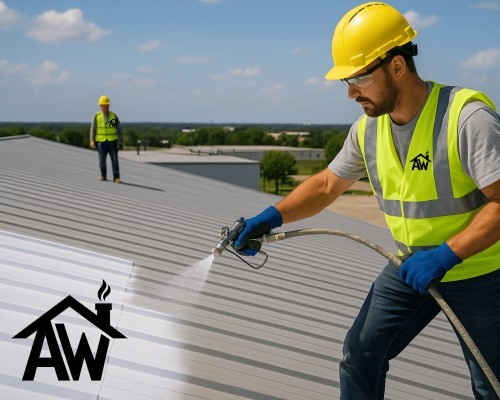
Auckland property owners and builders frequently ask questions about navigating the city's wet, unpredictable climate. Common inquiries focus on which membrane systems are best for flat roofs, compliance with local council regulations, expected lifespans, and installation costs. |
-
Question 11: What is the best waterproofing membrane for Auckland's climate? Material Comparisons: People ask about the differences between Butynol (rubber), Torch-on (bitumen), and TPO (thermoplastic). Weather Resistance: Homeowners want to know which material can best withstand high UV levels, sudden temperature changes, and heavy downpours.
The best waterproofing membrane is the membrane that works
for your roof, the best person to help you selecting the
correct membrane will be an experienced roofer/waterproofer.
-
Question 12: How much does membrane roof
cost? Average Pricing: Property owners frequently ask for estimates, which generally range between $100 and $180 per square metre for flat roof waterproofing. Variables:
People ask how roof size, surface condition, and complexity
(like flashing and edge detailing) affect these rates.
|
|
 |
|
Client Reviews |
| |
|
|
|






 022
187 8089
022
187 8089 Bathroom Waterproofing